Eco Logic provides attic mould remediation and moisture troubleshooting for homes in Mississauga, Oakville, Etobicoke, Toronto and the GTA. We look at the affected areas and the conditions behind them before explaining the appropriate work.
You deal directly with a qualified installer. As a family-owned business with more than 13 years of experience, we take the time to explain the findings and how remediation connects with the rest of the attic system.
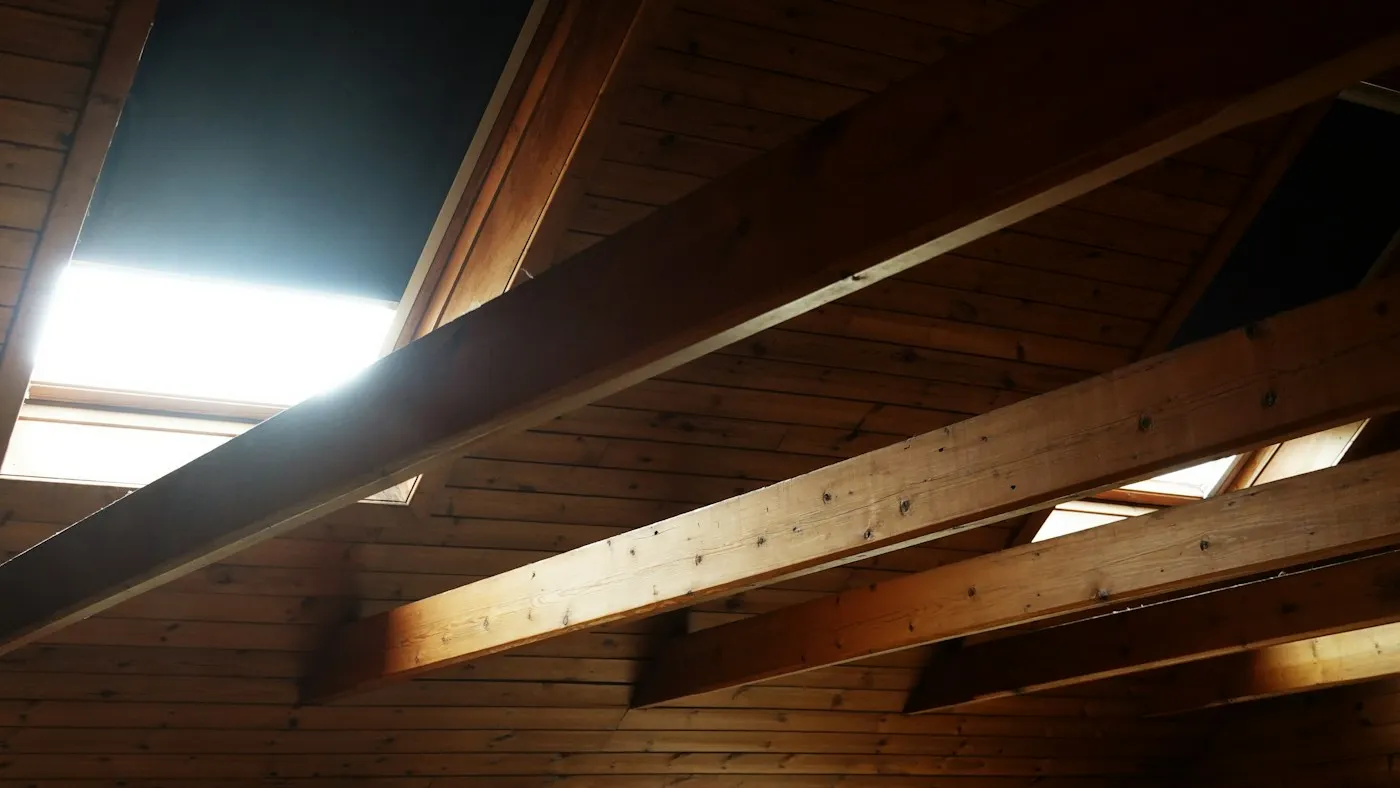
Understanding the roof structure and attic conditions is part of planning the work. Illustrative attic photograph.
Musty odours, roof-deck staining, frost or damp insulation can point to a moisture problem. The appearance of a mark alone does not establish its cause or identify a mould species. We connect what you have noticed with the accessible attic conditions.
Warm, moisture-bearing air can escape through ceiling openings and contact colder roof sheathing. Top plates, wiring and plumbing penetrations, fan housings and hatch edges are details worth assessing.
Blocked intake paths, disconnected bathroom ducts or unsuitable duct connections can contribute to dampness. Attic ventilation and the route carrying bathroom air outdoors have different jobs; both need a clear plan.
Roof defects or other water entry may need repair before attic improvements proceed. We explain when visible conditions call for roofing, structural or other specialist assessment rather than assuming every stain has the same source.
The extent, material condition and available access shape the scope. We explain what is proposed, what needs attention first and whether further specialist work is required.
The plan can include appropriate treatment of affected attic wood, removal of damaged insulation and corrections to air leakage, ventilation or bathroom exhaust. It should also account for protecting the work route and handling affected material appropriately.
Review the accessible condition, your observations and likely moisture paths. Discuss any limits of access or further investigation needed before work is agreed.
Plan access, protection and work-area precautions appropriate to the extent of the affected material. Suspect materials and structural or roofing defects need the right assessment before disturbance.
Treat affected surfaces and remove damaged or contaminated material where the assessment calls for it. The method and extent are explained for the job rather than assuming one treatment suits every attic.
Address the agreed moisture-related details, review the completed scope and explain any repairs or follow-up observations still needed. New insulation is considered after the necessary preparation.
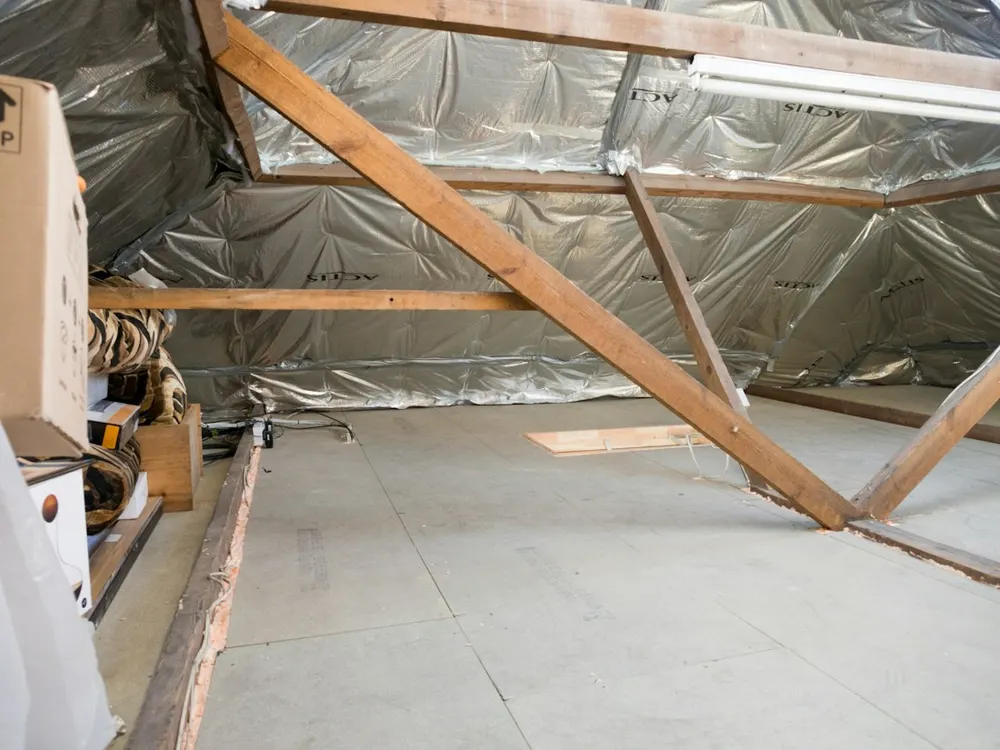
Air sealing and ventilation help address different parts of the attic system. We look at ceiling air paths, intended intake and exhaust routes, and whether bathroom ducts discharge outdoors.
If insulation has been affected, attic insulation removal may be part of the preparation. Suitable replacement or blown-in cellulose insulation is considered once the underlying work is addressed.
Share the history of the problem and your questions. We will discuss the appropriate next step for your home and explain how the recommendation relates to the attic conditions.
Staining alone cannot tell you whether a roof needs replacing. Indoor air leakage, exhaust problems, restricted ventilation and roof leaks can all contribute to damp conditions. We assess the visible condition and explain when roofing or other specialist investigation is needed.
New insulation does not repair a moisture source or remediate affected material. We discuss the preparation and any necessary removal or treatment first, then decide whether an insulation upgrade belongs in the scope.
It can recur if the moisture source remains or new water entry develops. That is why remediation, air sealing, ventilation and exhaust connections need to be considered together. No cleaning method replaces correcting the conditions that allow dampness.
Not automatically. The condition, extent of contamination and access determine the recommendation. Suitable dry material may remain, while damaged or contaminated areas can require removal. Unknown or suspect material may need specialist assessment before any disturbance.
Tell us where the concern was noticed, when dampness appears and whether there has been recent roof or bathroom work. Photos taken from a safely accessible location can help start the conversation. There is no need to enter the attic or disturb affected material to request an assessment.
Tell us where you noticed the concern and when it appears. Start with a conversation about your attic, its condition and the next step.
Call (416) 990-7655 or email info@ecologicattic.com.